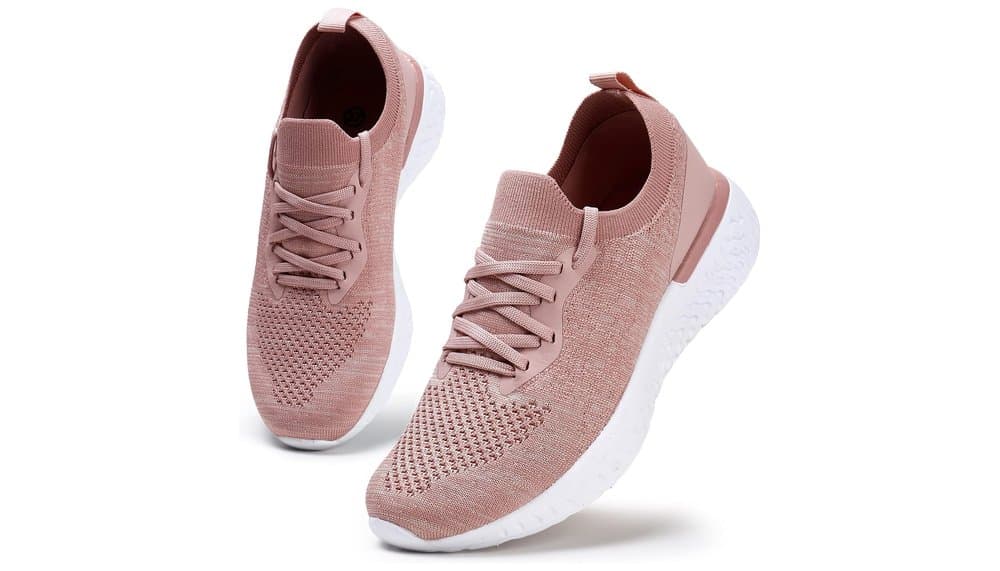
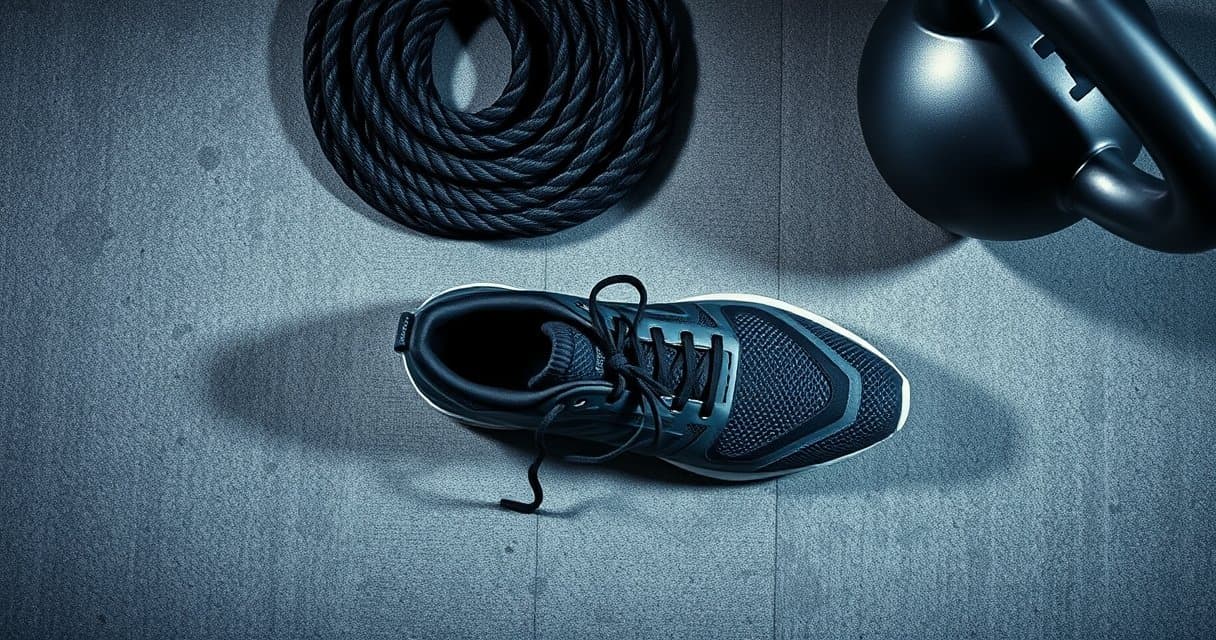
In the demanding world of HYROX, where versatility and endurance reign supreme, the choice of footwear is not a minor detail. It is the critical interface between the athlete and a course designed to test every facet of physical fitness: from running to rowing, sled pushes, burpees, and load carries. The promise of the HKR Comfort Running Shoes Women's Fitness Sneakers is one of absolute comfort and daily versatility. But does this promise hold up against the brutal and specific demands of a HYROX competition? This is the analysis we conduct here, dissecting the technical specifications and cross-referencing community feedback with the concrete needs of the discipline.
We will evaluate whether this model can transition from a comfortable sneaker to a reliable training and competition partner, or if its limitations make it a risky choice for practitioners of intensive functional fitness.
Strengths
Based on manufacturer specifications and widespread user feedback, three main strengths emerge for the HKR Comfort Running Shoes.
Immediate comfort and remarkable lightness. This is the unanimously praised point. Testers and customers often describe a feeling of extreme lightness, like "forgetting you're wearing shoes." This characteristic is directly linked to the sole design and the use of lightweight materials. For endurance events like the HYROX run, reducing cumulative foot and leg fatigue is a significant advantage.
Optimal breathability for effort. The textile mesh upper is designed for maximum ventilation. Feedback confirms that feet indeed stay cool and dry, even during prolonged efforts or in hot weather. In a competition environment where body heat is intense, this breathability is an asset for comfort and can help prevent irritation.
Appreciable versatility and ease of use. The traditional lacing, although sometimes requiring a double knot according to reviews, is considered practical and provides good foot lockdown. The shoe is described as easy to put on, a detail that may seem minor but can gain importance during the quick transitions between HYROX stations, where every second counts.
Weaknesses
Despite its qualities, an honest analysis reveals structural limitations that raise questions for intensive HYROX use.
Limited cushioning and support for repeated impacts. This is the main point of concern. Web experts and some customer reviews point to cushioning designed for daily comfort and light fitness, but not for the repeated impacts of distance running or the dynamic landings from burpees. One user explicitly notes: "it does not support you and your knees will feel it!!!!". This lack of support, particularly in the arch area (moderate arch support), could become problematic under fatigue, during runs or heavy carrying movements.
Uncertain durability under intense stress. Expert reviews highlight that durability can be a weak point, with risks of premature wear on the upper or sole during regular, intense sports use. The HYROX events, with their friction (rower, sled) and multidirectional pressures, are a severe test for materials often optimized for lightweight over robustness.
Potentially insufficient lateral stability. No stability or motion guidance technology is emphasized. For events like the Farmers Carry or lateral movements, a wide and stable sole is crucial to avoid the risk of ankle roll. On paper, the HKR design seems more oriented towards linear, natural movement, but not necessarily reinforced for stability under load.
Let's now evaluate the theoretical performance of the HKR Comfort Running Shoes station by station, confronting their characteristics with the demands of HYROX.
Running (1km x 8): Lightness is an undeniable asset for saving energy. However, the limited cushioning and moderate arch support represent a real risk over the duration, especially for runners who need guidance or significant shock absorption. These shoes might be suitable for a warm-up or occasional practice, but experts agree they do not replace a true running shoe for repeated and tiring running sequences.
Strength and Pushing Events (Sled Push/Pull, Wall Balls): Here, the priority is traction and stability. The MD (Molded Direct) sole seems to offer good flexibility and some grip on dry surfaces, but its durability against the abrasion of concrete or tartan is questionable. The lack of lateral stability could be felt during powerful pushes where the foot needs to be a solid anchor.
Dynamic Ground Movements (Burpees, Lunges): The shoe's flexibility is an advantage for freedom of movement. However, during burpee repetitions, the forefoot (the toe area) is subjected to friction. The resistance of the textile mesh in this area is a question mark when facing a sequence of several dozen repetitions.
Carries (Farmers Carry, Sandbag Lunges): This is likely the most critical situation. Under load, the foot flattens and widens. Foot lockdown through lacing must be perfect, and the shoe's platform must be stable enough to avoid any rocking effect. Customer reviews emphasize comfort, but none mention tests under heavy load. The overall design does not evoke the robustness and stability required for this type of event.
Transitions and Breathability: This is where the HKR shoes shine. Their lightness and breathability are real assets between stations. The ease of putting them on, if the lacing is well adjusted, can allow for time savings and mental comfort.
Moderate support and cushioning, durability under intense conditions
What Users Say
The synthesis of over 17,700 global reviews (average rating of 4.2/5) and expert analyses reveals very clear trends.
Recurrent praise revolves around immediate comfort, often compared to "walking in slippers." The terms "lightweight," "flexible," and "breathable" are repeated constantly. Many users find them "perfect for gym fitness" or "ideal for long workdays." The ease of putting them on and the good foot lockdown (once laced) are also highlighted. One expert tester summarizes their versatility well: "ideal for active everyday life."
Criticisms and warnings are equally instructive. Several point out a lack of support in the medium term, especially for knees and the arch, advising against them for serious running. The durability issue is raised by experts, who note that the materials can show signs of premature wear during intensive sports use. A practical tip also emerges: they often run small, so it is recommended to go half a size, or even a full size up. The lacing may also require a double knot to prevent it from coming undone.
Conclusion
The HKR Comfort Running Shoes Women's Fitness Sneakers are, without a doubt, shoes that perfectly deliver on their promise of daily comfort, lightness, and stylistic versatility. For walking, light gym fitness, urban commuting, or even as a recovery shoe, community feedback makes them a highly popular product.
However, in the specific and demanding context of HYROX, our analysis leads to a more nuanced conclusion. These sneakers present interesting assets (lightness, breathability), but they fall short on fundamental criteria for competition: cushioning suited for repeated impacts, structural support under fatigue, lateral stability under load, and proven durability.
Therefore, we do not recommend them as a HYROX competition shoe. The risk of injury due to insufficient support, or underperformance due to rapid degradation, is too high. They could potentially serve as a secondary shoe for light technical training sessions or transitions, but investing in a pair specifically designed for high-level functional fitness (brands like Nike Metcon, Reebok Nanoflex, NOBULL, etc.) remains the only safe and performant option for those seriously targeting the hybrid race. For HYROX, comfort alone is not enough; it requires technique, structure, and robustness. On these last points, the HKR Comfort shoes seem, based on available data, to reach their limits.
100% free and independent — All our articles are written independently, without any sponsorship. We may receive a commission if you make a purchase through our links, at no extra cost to you.