Introduction
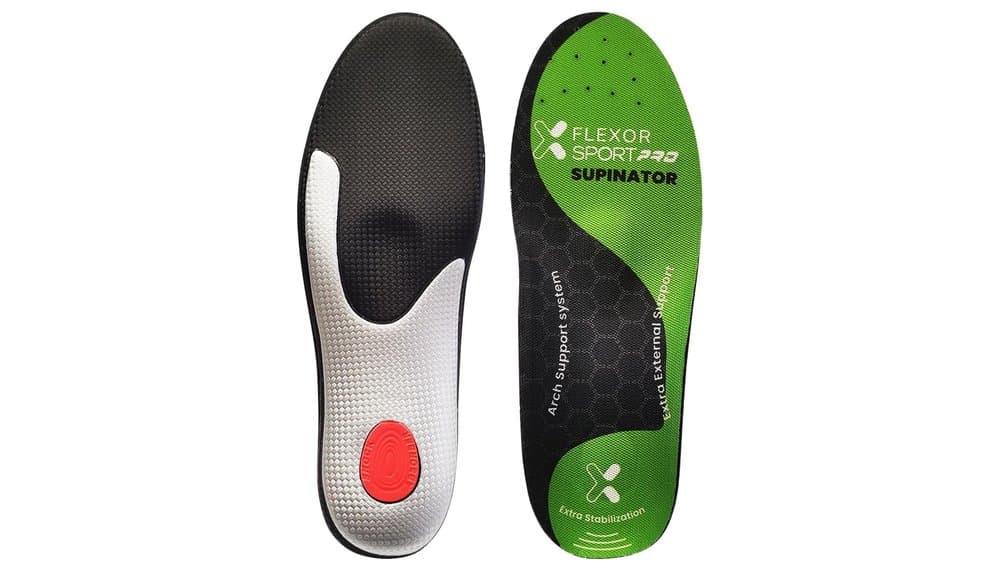
In the demanding world of HYROX, where every second and every transition counts, equipment is not a minor detail. Footwear is often at the center of discussions, but what lies inside can be just as crucial. Today, we examine the Flexor PRO TRAIL RUNNING orthotic insoles, a product originally designed for trail running. The question that interests us here is simple: can this support technology for supinators find its place in the tumult of a HYROX competition, with its sequences of running, rowing, sled pushes, and heavy carries? Our analysis cross-references technical specifications, community feedback, and general principles outlined by running experts to evaluate its suitability for our discipline.
Key Strengths
Based on specifications and user feedback, several strengths of the Flexor PRO TRAIL RUNNING emerge for intense functional fitness use.
Structural Support for Supinators: This is the product's raison d'être. The resin-reinforced base is designed to correct a gait that excessively relies on the outside of the foot. For a supinating HYROX athlete, this could mean better load distribution during the repetitive impacts of running and jumps, and increased stability during rapid direction changes or loaded exercises like Farmers Carry.
Comfort and Shock Absorption: The EVA foam used in the construction is known for its cushioning. Expert trail running testers emphasize that this type of material is crucial for protecting joints on hard or uneven terrain. Transposed to HYROX, this could translate to protection for the knees and back during track running segments and multiple jumps (burpees, box jump overs), especially under fatigue.
Heel Stability: A feature often highlighted by experts for good trail insoles is good heel lock. The Flexor PRO description mentions a heel shock absorber. This stability is paramount in movements like the Sled Push or Sled Pull, where force transmission starts from the ground and the foot must not move inside the shoe.
Potential Weaknesses
Analysis of reviews and HYROX constraints also highlights some potential limitations.
Stiffness and Adaptation Period: Several reviews, including one from a disappointed customer, point to reinforcements perceived as insufficiently pronounced or a feeling of "softness." Conversely, another review mentions a forefoot that is "thick and hard." This reveals a subjective sensitivity to the insole's rigidity. As experts note, some structured models require an adaptation period of several days. In the context of a competition, testing these insoles for the first time on race day would be a mistake.
Fit and Volume: A recurring risk with aftermarket insoles is that they add volume inside the shoe. For HYROX events, where running shoes are often already tightly fitted, this can create compression points, especially during stations where the foot swells. One user indeed notes fit issues in their shoe.
Durability in Mixed Conditions: Although the product sheet mentions a durability of 6 to 14 months, trail running experts warn about the premature wear of some models after a few hundred kilometers. HYROX usage, with its lateral friction during side-shuffle movements, twisting during lunges, and intense moisture, could stress the insole differently and potentially accelerate its wear.
See priceDetailed Analysis for HYROX
Let's now evaluate the theoretical behavior of the Flexor PRO TRAIL RUNNING station by station, based on its characteristics.
On Running Stations (Running, Rower): This is its original terrain. Arch support and heel cushioning should, in theory, improve stride efficiency and reduce muscular fatigue on the 1km running segments. For the rower, a stable and well-secured insole can help maintain proper foot placement on the platform, promoting optimal force transmission. The mentioned ventilation (hypoallergenic textile and sweat vents) is a non-negligible asset for keeping the foot dry during these intense cardio efforts.
On Strength and Mobility Stations (Sled Push/Pull, Farmers Carry, Sandbag Lunges): This is where stability comes into play. The reinforced resin base is designed to limit excessive foot deformation. When pushing a heavy sled, a stable and well-aligned foot allows for a better connection to the ground. The same principle applies to Farmers Carry, where a significant asymmetric load can attempt to unbalance posture. The insole acts as a support platform.
On Ground Stations (Burpees, Wall Balls): For burpees, a rapid and stable transition between the plank position and the jump is key. An insole that is too soft or poorly adapted could hinder reactivity. The Flexor PRO, with its mixed construction (resin/EVA), aims for a compromise between support and cushioning, which could be suitable. For Wall Balls, shock absorption upon landing the jump is appreciated.
Under Fatigue and During Transitions: This is the heart of HYROX. Muscular fatigue leads to a degradation of technique and a search for less optimal foot placement. A corrective insole like this one could then play a "protective" role by maintaining acceptable alignment of the foot and ankle, even when conscious control diminishes. However, if the insole is not perfectly adapted to the athlete's morphology, it could, conversely, become a source of discomfort or friction aggravated by fatigue.
Technical Specifications
Here is a summary of the product's key characteristics:
| Characteristic | Detail |
|---|---|
| Product Name | Flexor PRO TRAIL RUNNING Orthotic Insoles |
| Primary Target | Supinator trail runners |
| Claimed Benefit | Corrective reinforcement, alignment, stability, optimal comfort |
| Structural Material | Reinforced resin base |
| Comfort Material | EVA foam (Plantar Comfort) |
| Cited Technologies | Gel Technology (heel shock absorber), hypoallergenic textile, sweat vents |
| Recommended Use | Running in mountainous or rugged terrain |
| Features | Durable, Lightweight |
| Shape | Full-length insole (Pad) |
What Users Say
A synthesis of customer reviews and trends noted by experts gives us a nuanced but overall positive picture.
Positive feedback is marked by satisfaction regarding corrective effectiveness. An Italian user, after consulting an orthopedist, reports "excellent" results with an 80% reduction in pain (under the malleolus) in just 24 hours. Other customers describe the product as "very comfortable" and "effective" for supinators. The average rating of 4.2/5 from 96 reviews confirms good general acceptance. The community therefore seems to validate the support provided for the specific problem of supination.
Recurring criticisms revolve around fit and feel. A French customer considers the reinforcements "insufficiently pronounced" and finds the whole thing too soft, deeming it ineffective for replacing custom orthotics. Conversely, a Dutch user finds the forefoot "too thick and hard," to the point of hindering comfort and fit in the shoe. This highlights the crucial importance of individual foot morphology. As experts advise, selecting the correct arch height and strictly following the size guide are imperative.
Durability is not directly criticized in the analyzed reviews, but the expert context encourages us to remain vigilant on this point for intensive HYROX use.
Conclusion
The Flexor PRO TRAIL RUNNING Orthotic Insoles present an interesting technical profile for the HYROX athlete suffering from supination. Their promise of structural stability, cushioning, and corrective support directly addresses needs created by the repetitive and loaded nature of our sport. On paper, they could improve alignment during runs, provide a more solid base for pushes and carries, and protect joints from impacts.
However, they are not a universal or magical solution. Their effectiveness is conditional on a perfect match with your foot morphology. The divergent feedback on perceived rigidity is proof of this. For a HYROX athlete, our recommendation is clear: if you suspect supination and experience associated pain (outside of the foot, ankle, knee), these insoles deserve to be considered as a trial solution during the training phase. It is imperative to test them gradually during sessions mixing running and gym exercises, and to verify that they do not compromise the fit of your competition shoes. Under no circumstances should they replace a podiatric diagnosis and treatment for persistent pain. For the right supinator, they could become a valuable support piece of equipment; for others, they risk being at best useless, at worst uncomfortable. As often in HYROX, the devil is in the details, and in this case, it lies in the shape of your arch.
100% free and independent — All our articles are written independently, without any sponsorship. We may receive a commission if you make a purchase through our links, at no extra cost to you.
You might also like
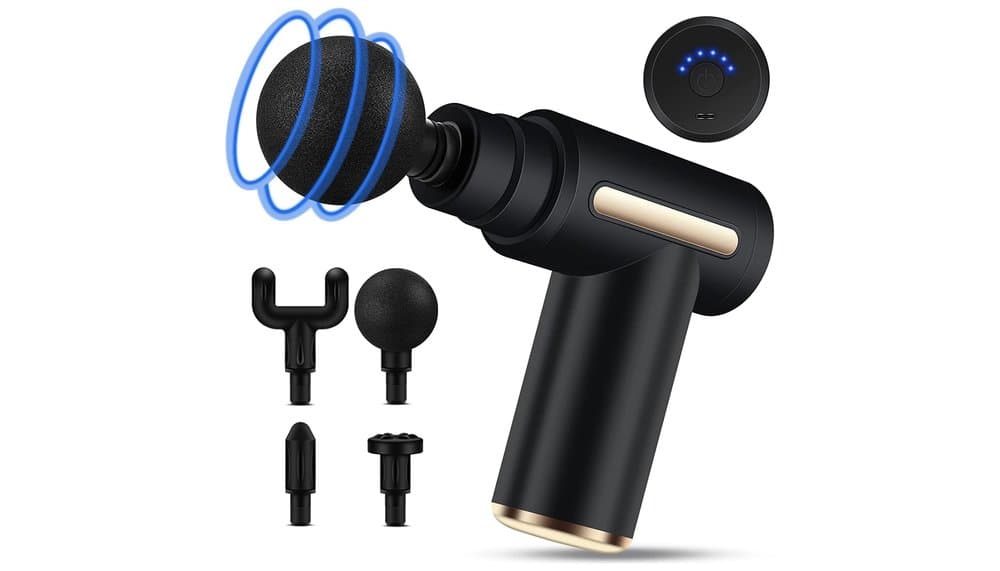
Uplayteck Mini Muscle Massage Gun Review & Test
Maximize HYROX recovery with the Uplayteck Mini Massage Gun. We analyze its compact, quiet design for portability and post-workout muscle relief.
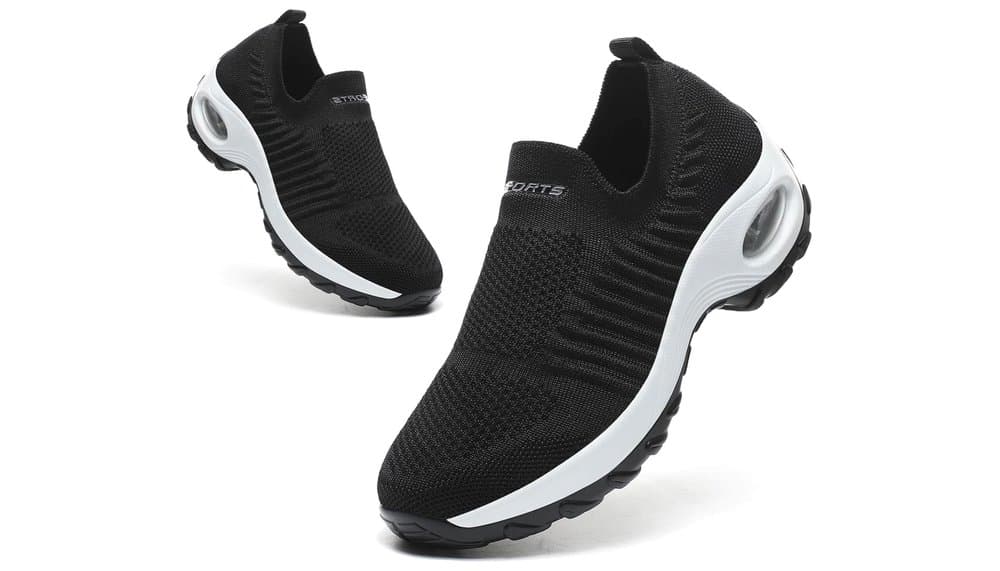
Hanani Air Cushion Sports Sneakers Review & Test
Explore if the Hanani Air Cushion sneaker's comfort can withstand the brutal, multi-discipline demands of HYROX competition in this performance review.
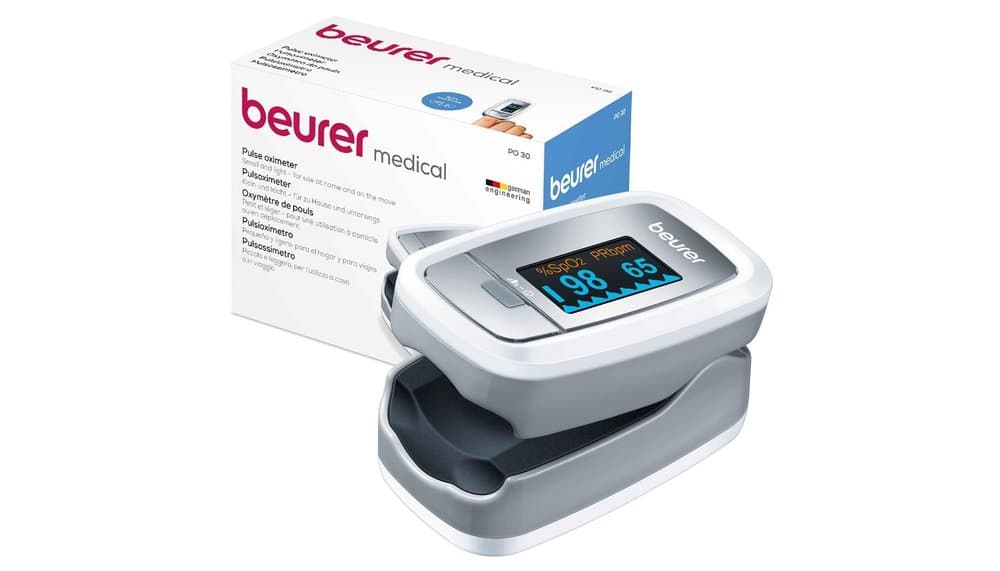
Beurer PO 30 Pulse Oximeter Test & Review
Evaluating pulse oximeters for HYROX athletes. Which models withstand extreme training and competition conditions?
Guides you might like
Street Workout Elastic Bands Buying Guide
Use resistance bands for pull-ups to learn proper technique and build strength safely. Ideal for all levels to progress at your own pace.
Ideal Watches for Hyrox Quick Buying Guide
Discover how to choose the perfect Hyrox watch that tracks all disciplines, offers precise heart rate data, and withstands intense training efforts.
Hyrox Shoes Buying Guide
Choose the right Hyrox shoes to prevent blisters and boost performance. Find the versatile hybrid essential for success.