170+ Fitness Activity Tracker Smart Bracelet Review & Test
Introduction
In the demanding world of HYROX, where every second and every heartbeat counts, the choice of tracking equipment is not trivial. Between sets of farmer's carries or during a quick transition to the rower, one needs a reliable, discreet, and resistant device. The 170+ Fitness Activity Tracker Smart Bracelet enters this arena with ambitious promises: over 170 sports modes, 24/7 health tracking, and long battery life. But do these technical specifications hold up against the organized chaos of a HYROX competition? That is what we will dissect, analyzing its features against the specific needs of our discipline: shock resistance, accuracy under extreme fatigue conditions, ergonomics during varied movements, and simplicity of use under pressure.
Strong Points
According to its specifications and community feedback, the 170+ Fitness Activity Tracker Smart Bracelet presents several major assets for a functional fitness athlete.
Impressive displayed versatility. With over 170 listed sports modes, the bracelet theoretically covers all the basic movements of HYROX. Whether for running, rowing, or strength activities like sled pushes, it offers a dedicated mode. On paper, this means it should be able to adapt its calculation algorithm for each type of effort, a crucial point for obtaining relevant training data.
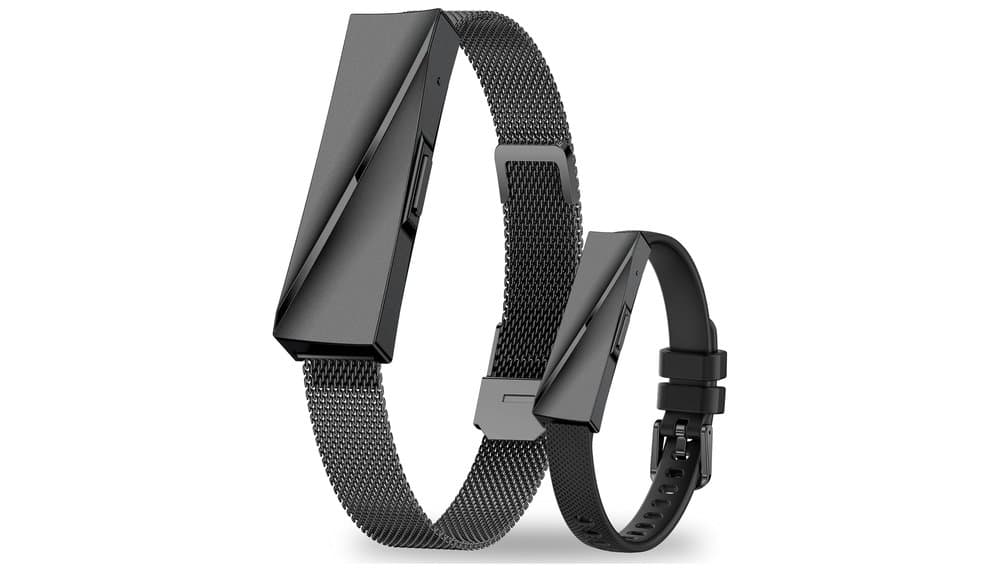
Often praised discretion and comfort. Its screen-less design is a radical choice. For HYROX, this translates into a major advantage: no risk of snagging during burpees, farmer's carries, or crawling. Users confirm the bracelet is light and forgettable on the wrist, which is essential to avoid hindrance during wide-ranging movements or when handling loads.
Robustness suited for effort. The 5ATM + IP68 certification makes it resistant to sweat, splashes, and immersion. It can therefore theoretically survive intense training, heavy sweating, and even a quick clean. Its case is described as sufficiently sturdy for standard activities.
A battery life that frees you from constraints. A battery that can last several weeks with normal use is a strong argument. For an athlete training daily, not having to recharge the tracker every two or three days is a real gain in simplicity.
Weak Points
However, analysis of field feedback and expert tests reveals significant limitations, especially in a demanding competition context.
Questionable metric accuracy. This is the most frequently raised issue. User feedback notes sometimes significant discrepancies in heart rate and, above all, blood pressure measurements. One comment specifies that measurements can be "far from accurate, off by several tens of points." For a HYROX athlete using heart rate to manage intensity zones during running or rowing, imprecise data can skew the entire performance analysis.
The absence of a screen: a double-edged sword. While discretion is appreciated, the inability to check data in real-time becomes a handicap in competition. It's impossible to quickly glance at your heart rate during a break on the sled push or to check your running time. Everything goes through the smartphone, making it useless as a real-time feedback tool during exertion.
A smartphone-dependent GPS. The bracelet does not have built-in GPS. It uses your phone's GPS. In a HYROX competition, where you are on a closed course and want to analyze your running speed and trajectory accurately, this dependency is a serious drawback. It also limits its use for outdoor running training if you don't want to run with your phone.
An interface and software reliability that could be improved. Several reports mention a companion app that is sometimes unintuitive or finicky synchronizations. After an exhausting HYROX workout, the last thing you want is to have to "fight" to retrieve and analyze your data. Long-term durability is also questioned, with mentions of battery issues arising after several months of intensive use.
See priceDetailed Analysis: The 170+ Fitness Activity Tracker Put to the HYROX Test
Now, let's get to the heart of the matter: how does this bracelet behave in the face of the specific demands of a HYROX race?
During the event: fatigue, shocks, and transitions.
The screen-less and lightweight design is its best asset here. It will not get in the way during ground movements (burpees, lunges) or during carrying events (farmer's carry, sandbag lunges). Its double water resistance effectively protects it against massive sweat and splashes, notably at the wall ball station. However, its limited heart rate accuracy under intense effort is problematic. The optical sensors in this price segment often struggle to track rapid HR variations during very short interval efforts, typical of HYROX transitions. The recorded data could therefore artificially smooth out your effort, not reflecting the real peaks.
For post-competition analysis and training.
This is where its software versatility can shine… if the data is accurate. The ability to track a large number of modes allows you to segment your training: rowing session, strength work, running. The analysis of sleep and heart rate variability (HRV) can be a useful indicator for recovery between heavy training sessions. But again, everything depends on the reliability of the base measurements. The testing community often considers it a good trend indicator, but not a tool for medical measurement or absolute sports precision.
Comparison with HYROX requirements.
A serious HYROX athlete needs two main things from their tracker: reliable real-time data (timer, HR) during effort, and detailed and precise analysis to optimize training afterward. The 170+ Fitness Activity Tracker Smart Bracelet fails on the first point due to the lack of a screen. On the second point, it offers a wide range but with an accuracy that, according to feedback, does not reach the level of sector specialists like Garmin or Polar, whose algorithms are often better calibrated for high-intensity efforts and functional sports.
Summary Technical Sheet
| Characteristic | Detail |
|---|---|
| Sports Modes | 170+ modes (including running, cycling, swimming, strength training, etc.) |
| 24/7 Health Tracking | Heart rate, blood pressure, blood oxygen saturation (SpO2), sleep (light/deep/REM phases), stress, HRV |
| Battery Life | Up to 20-30 days with active use, 45-60 days on standby |
| Water Resistance | 5ATM + IP68 (swimming, shower) |
| Connectivity | Bluetooth, GPS via smartphone |
| Screen | None. All data via smartphone app |
| Notifications | Calls, SMS, sedentary reminders |
| Specific Functions | Female cycle tracking, "couple" mode, remote photo control |
| Sensors | Accelerometer, optical heart rate and SpO2 sensor |
| Included Straps | 2 (Silicone + Steel) |
What Users and Testers Say
The synthesis of customer reviews and available analyses paints a clear consensus.
The recurring positive points revolve around the excellent value for money for the number of functions offered. Users appreciate its discreet and elegant design, its lightweight nature, and its comfort for daily wear. The long battery life is consistently cited as a major asset. Many see it as a simple and less cumbersome alternative to a traditional smartwatch, perfect for those who don't want a screen on their wrist.
The most frequent criticisms concern the reliability of biometric measurements. Several reviews point out significant discrepancies in blood pressure and heart rate compared to medical devices. The app is described as needing improvement, with occasional synchronization bugs. The original silicone strap is judged by some to be of average quality, potentially causing irritation, prompting replacement with a nylon strap. Finally, the lack of a screen, although seen as an advantage by some, is a drawback for those who want immediate feedback.
An important point raised by a user is the possibility of a paid subscription to unlock some advanced features in the application, information that would not be clearly announced at the time of purchase.
Conclusion
The 170+ Fitness Activity Tracker Smart Bracelet is a paradoxical product in the context of HYROX. On one hand, its software versatility, phenomenal battery life, and minimalist design make it an attractive daily training companion for the athlete who wants general tracking of their trends (activity, sleep) without breaking the bank. Its water resistance and lack of a screen are undeniable practical assets on the course.
On the other hand, its weaknesses in metric accuracy and lack of real-time feedback disqualify it as a serious performance tool for competition. A HYROX athlete aiming for optimization needs reliable data during and after the effort. Here, the total dependence on the smartphone and the doubt about the accuracy of heart rate measurements under extreme physiological stress are prohibitive limitations.
Final verdict: This bracelet is a good entry-level option for general tracking and daily motivation. It can perfectly accompany your general physical preparation sessions. However, for those looking for a precision partner to analyze, optimize, and drive their HYROX performance, it will be insufficient. It is then better to look towards dedicated sports watches, with a screen, built-in GPS, and sensors whose accuracy under high intensity is proven.
100% free and independent — All our articles are written independently, without any sponsorship. We may receive a commission if you make a purchase through our links, at no extra cost to you.
You might also like
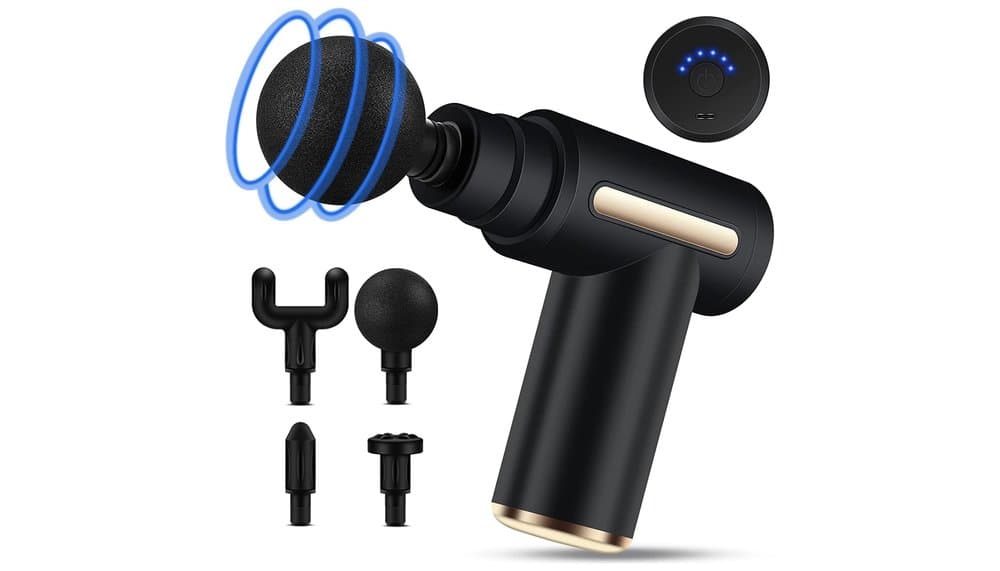
Uplayteck Mini Muscle Massage Gun Review & Test
Maximize HYROX recovery with the Uplayteck Mini Massage Gun. We analyze its compact, quiet design for portability and post-workout muscle relief.
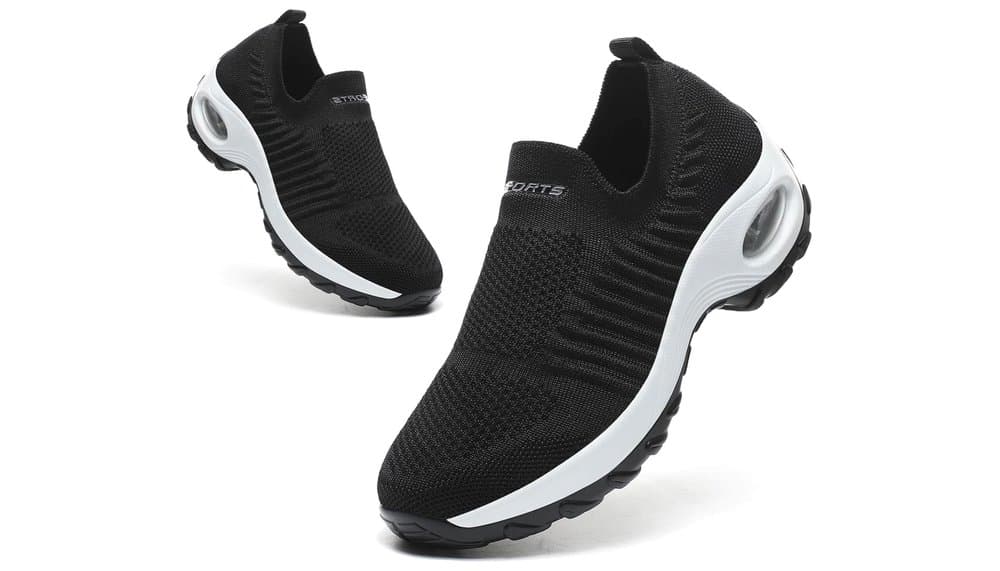
Hanani Air Cushion Sports Sneakers Review & Test
Explore if the Hanani Air Cushion sneaker's comfort can withstand the brutal, multi-discipline demands of HYROX competition in this performance review.
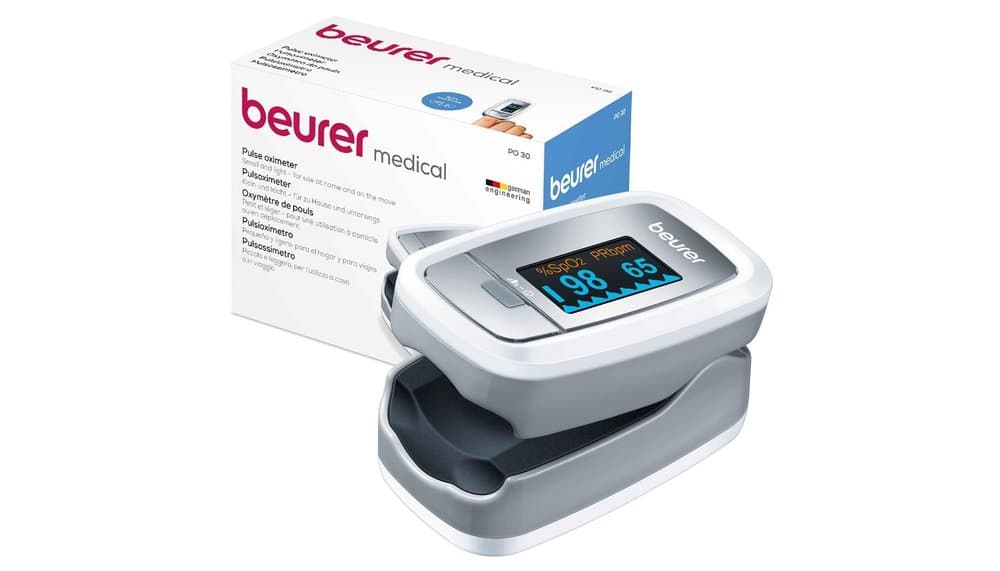
Beurer PO 30 Pulse Oximeter Test & Review
Evaluating pulse oximeters for HYROX athletes. Which models withstand extreme training and competition conditions?
Guides you might like
Street Workout Elastic Bands Buying Guide
Use resistance bands for pull-ups to learn proper technique and build strength safely. Ideal for all levels to progress at your own pace.
Ideal Watches for Hyrox Quick Buying Guide
Discover how to choose the perfect Hyrox watch that tracks all disciplines, offers precise heart rate data, and withstands intense training efforts.
Hyrox Shoes Buying Guide
Choose the right Hyrox shoes to prevent blisters and boost performance. Find the versatile hybrid essential for success.