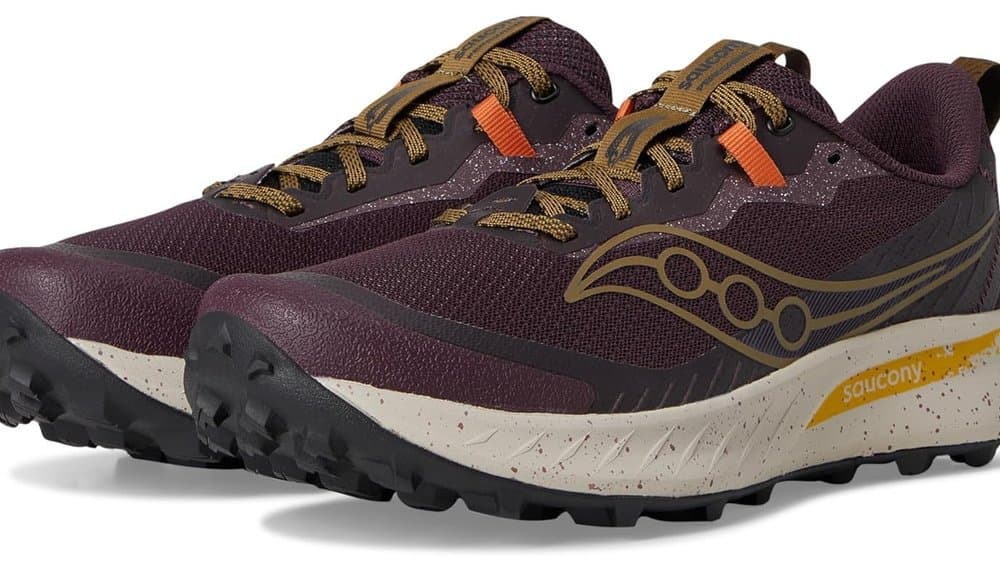
Saucony Peregrine 15 Trail Shoe
Introduction
In the demanding world of HYROX, where every second and every transition counts, shoe choice is a strategic decision. It's not just about running, but about performance across eight functional workstations. The Saucony Peregrine 15 Trail Shoe arrives on this field with a pedigree of aggressive trail running. But can a shoe designed for technical trails become the versatile weapon of a HYROX athlete? We will dissect this model from the unique angle of our sport: from treadmill running to farmers carry, through burpees and fast transitions under fatigue. Our analysis is based on technical specifications, feedback from trail running experts, and user community reviews to assess its relevance within the very specific context of a HYROX competition.
See also: Men's Trail Shoes: Trekking & Fitness Shoe Review & Test · Salomon Speedcross 5 Gore-Tex Men's Trail Shoe Review
Strengths
Based on specifications and consolidated feedback, the Peregrine 15 presents immediate assets for a functional fitness athlete.
- Exceptional Traction and Bite: This is its main argument. The PWRTRAC outsole equipped with 5mm lugs is unanimously praised for its near-flawless grip on all terrains. In the HYROX context, this translates to total confidence during sled pushes (sled push) and sled pulls (sled pull), where any slippage is a critical loss of energy. This outsole also offers excellent lateral stability for dynamic movements.
- Stability and Ground Feel: With a 4mm drop and a moderate stack height (28mm heel, 24mm forefoot), the shoe offers a low, stable profile. Testers emphasize that this provides good proprioceptive sensitivity and a low center of gravity, reducing the risk of ankle roll. This attribute is valuable for strides under fatigue, quick direction changes between stations, and exercises like burpees or step-ups.
- Support and Foot Lockdown: The mesh upper is described as offering a good compromise between breathability and support. The gusseted tongue and heel counter ensure, according to users, a secure foot lockdown. This is essential for load-bearing events like farmers carry or sandbag lunges, where the foot must not move inside the shoe.
- Versatility and Responsiveness: Considered an agile and dynamic shoe, the Peregrine 15 is not a soft model. Its reformulated PWRRUN cushioning is judged softer and more comfortable than on previous versions, while remaining responsive. This makes it a candidate for handling both running segments and strength stations without a feeling of mushiness.
Weaknesses
Some characteristics of the Peregrine 15 may represent compromises to carefully weigh for HYROX use.
- Limited Cushioning for Long-Distance Running: Although improved, the cushioning remains moderate. On paper, it might seem just sufficient for the repeated 1 km running segments of HYROX, especially for heavier athletes or those who prefer a more protected landing. It is not a "maxi-cushion" shoe.
- Snug Fit, Especially in the Forefoot: This is the most frequent point of feedback. The community notes that the shoe, and particularly the toe box, is quite snug, even narrow for some foot shapes. For wide feet or athletes whose feet swell during long efforts, this can be problematic. Experts often advise taking your usual Saucony size or going up half a size.
- Behavior on Smooth Surfaces: Such an aggressive outsole has a downside. The pronounced lugs can create a feeling of instability or "chatter" underfoot on perfectly smooth surfaces like the rower or very smooth concrete arena floors. The grip can be excessive, limiting the fluidity of micro-slips sometimes necessary.
- Midsole Durability in Question: Some expert feedback raises a question about the longevity of the PWRRUN (EVA) foam compared to higher-end technologies, especially for athletes with high training mileage or significant body weight.
Detailed Analysis for HYROX
Let's now evaluate the Peregrine 15 station by station, confronting its characteristics with the real demands of the competition.
Treadmill / Arena Floor Running: Its low, responsive profile is an asset for an economical and dynamic stride. The cushioning, although moderate, is designed to be effective over short to medium distances, which perfectly matches HYROX's 1 km segments. However, the athlete seeking very generous cushioning to preserve their legs over the entire race might find it just adequate.
Rower: This is likely its least optimal station. The shoe's aggressive lugs can interfere with contact on the footplate and prevent natural micro-adjustments of the foot. The stiffness of the outsole, necessary for trail, is not an advantage here where some flexibility is often appreciated.
Sled Push & Sled Pull: Here, the Peregrine 15 excels. Its phenomenal traction is a decisive asset. The bite of the lugs into the ground, even if slippery, allows optimal power transfer and limits slippage, thus saving precious energy. The stability of the chassis is also crucial for maintaining a solid posture during the push.
Burpees & Step-ups: Its low profile and stability are major assets. The shoe offers a solid platform for landing jumps and good ground feel during quick foot placements. The good foot lockdown prevents unwanted movement inside the shoe during these dynamic movements.
Farmers Carry & Sandbag Lunges: Support and stability are once again highlighted. A well-supported foot is essential for carrying heavy loads over distance. The wide and stable outsole (though not oversized) offers a good base of support, and the grip prevents any untimely slipping during direction changes or on potentially wet ground.
Transitions and Fatigue: This is where its versatility is put to the test. The shoe is light and agile, facilitating quick transitions. Its "all-terrain" design means it is built to withstand variable conditions and multi-directional impacts, a strength in the face of the unpredictable nature of the stations. Under fatigue, the feeling of control and stability it provides, according to feedback, seems to be an important confidence factor.
Technical Specifications
| Characteristic | Detail |
|---|---|
| Model | Saucony Peregrine 15 |
| Type | Neutral trail running shoe |
| Use | Technical trails, short to medium distances |
| Drop | 4 mm |
| Stack Heights | Heel: 28 mm / Forefoot: 24 mm |
| Primary Cushioning | PWRRUN (EVA) Midsole |
| Outsole | PWRTRAC with 5 mm lugs |
| Weight (men's, US size 9) | Approximately 290 grams (varies by size) |
| Upper | Technical mesh with reinforcements |
| Availability | Standard version and GTX (waterproof) version |
What Users Say
A synthesis of customer reviews and expert tests reveals clear trends.
Recurrent praise almost always focuses on the incredible traction of the outsole, described as "grippy like no other" on mud, rocks, and technical terrain. The improved overall comfort compared to versions 13 and 14 is also very frequently mentioned, with a particular note for the softness of the new PWRRUN. The versatility for short, intense outings, and the stability on descents or uneven trails, are praised. Many consider it an excellent value for money in the trail landscape.
Criticisms and reservations mainly focus on the snug fit. Many users report that the shoe is narrow, especially in the forefoot, advising trying it on or going half a size up. The issue of limited cushioning for long distances is raised by ultra-runners or those used to more generous cushioning. A few reports mention slight heel rubbing during initial uses, which disappears after break-in. Finally, some question the long-term durability of the midsole for very intensive use.
Conclusion
The Saucony Peregrine 15 Trail Shoe presents itself as a serious, yet specialized, candidate for HYROX. Its analysis reveals a shoe built for raw efficiency on intense, short efforts, where stability and traction are paramount.
Its aggressive and stable profile makes it a weapon of choice for strength stations like sled push, sled pull, and farmers carry, where its formidable grip becomes a decisive advantage. For running and dynamic movements (burpees, step-ups), its responsiveness and good support are also major assets.
However, its compromises must be clearly understood. Its snug fit and moderate cushioning make it a demanding shoe. It will perfectly suit the HYROX athlete who prioritizes ground feel, maximum control, and unshakeable stability, who has standard or narrow width feet, and who is looking for a shoe to perform in competition more than for long training miles. Conversely, the athlete with wide feet, who seeks very protective cushioning for their joints over the entire race, or who wants a perfectly fluid shoe on the rower, may need to look elsewhere.
In summary, the Peregrine 15 is not the universal HYROX shoe, but for those whose profile and priorities match its strengths, it can become an extremely high-performing and reliable competition partner.
100% free and independent — All our articles are written independently, without any sponsorship. We may receive a commission if you make a purchase through our links, at no extra cost to you.
You might also like

Men's Trail Shoes: Trekking & Fitness Shoe Review & Test
HYROX shoe review: The ultimate hybrid for competition. Tested for running, sled pushes & stability in functional fitness events.
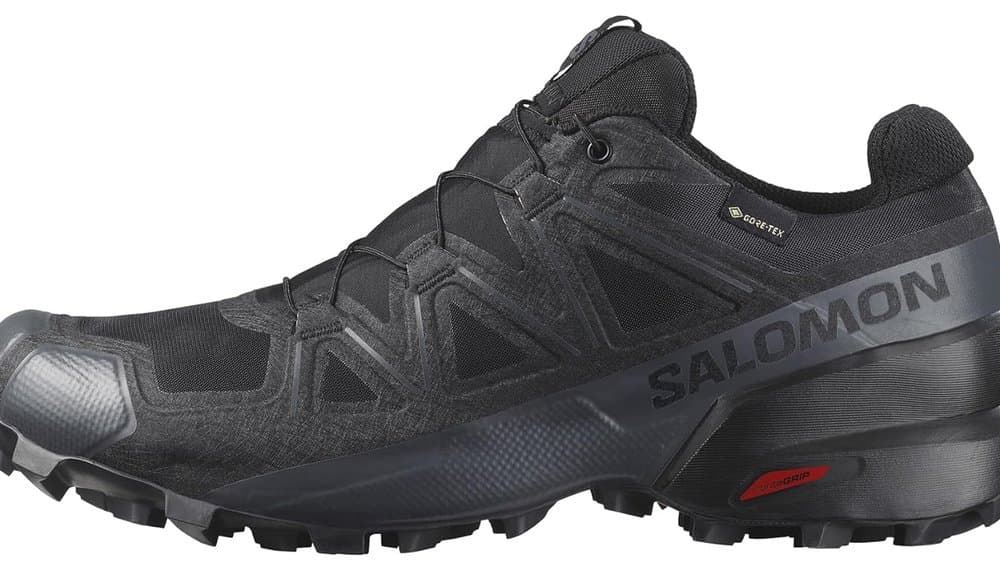
Salomon Speedcross 5 Gore-Tex Men's Trail Shoe Review
Salomon Speedcross 5 Gore-Tex: A HYROX shoe review. Can its aggressive trail pedigree handle the sled, rower, and running?

SAGUARO Minimalist Trail Running Shoe Review
SAGUARO minimalist trail shoes reviewed for HYROX fitness racing. Analysis of durability, performance & value for demanding functional workouts.