Introduction: Nike's Comfort Maximalist Put to the HYROX Test
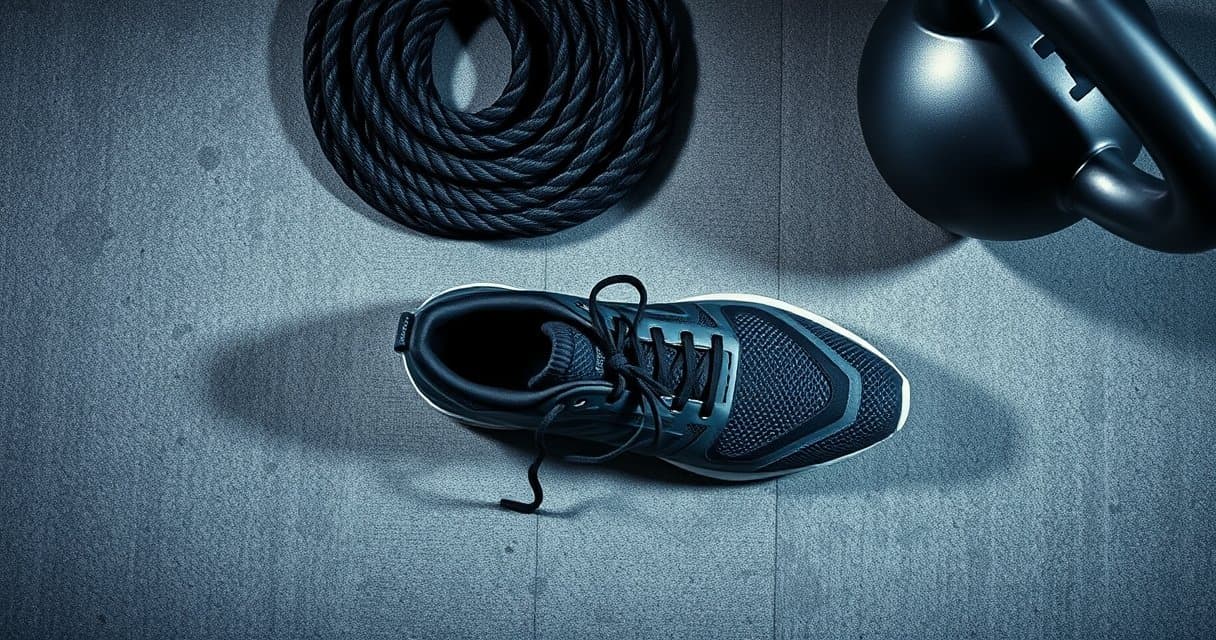
In the demanding world of HYROX, where versatility is king, the choice of shoe is a strategic decision. It's not just about running, but about efficiently and stably chaining together events as varied as the rower, sled push, burpees, or farmers carry. The Nike Vomero 18 Sneaker arrives on the market with a renewed promise: that of maximal cushioning and deep comfort. But is this "maximalist" philosophy compatible with the rapid transitions and multiple demands of a functional fitness competition? We break down its specifications and cross-reference community feedback to answer this central question.
Strengths: A Comfort Asset for Repeated Impacts
Based on technical specifications and expert feedback, the Vomero 18 presents serious arguments for certain phases of a HYROX race.
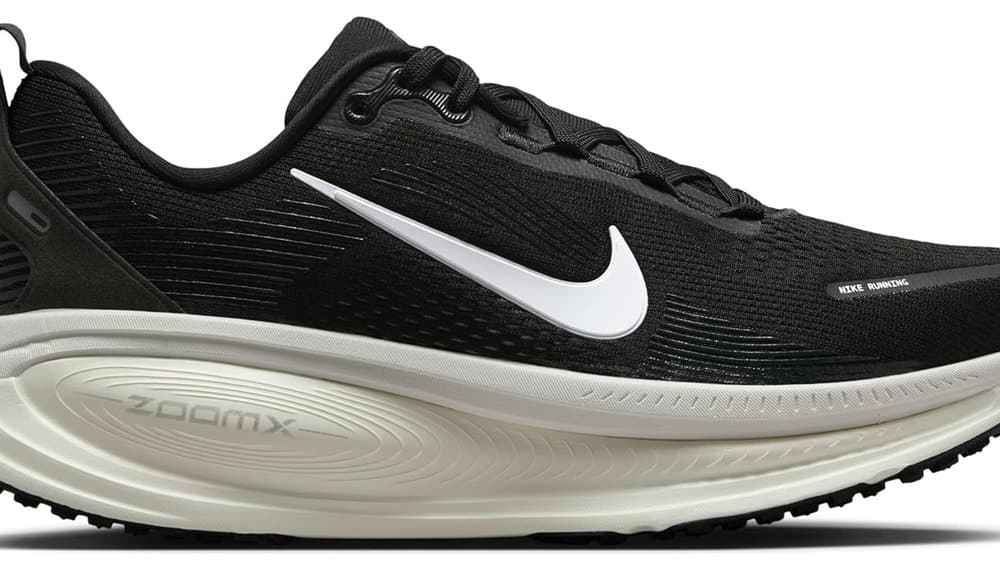
Plenipotentiary Cushioning: The combination of ZoomX and Cushlon 3.0 foams in the midsole is its main argument. Testers unanimously highlight its exceptional protective comfort. For a HYROX athlete, this translates into ideal shock absorption during running segments on the road or treadmill, and potentially during jumps or high-impact movements. A customer review from a runner over 80kg confirms this effective springiness under significant loads.
Unexpected Stability: Despite a high stack height, a characteristic of maximalist shoes, expert analyses note a surprising stability. It avoids a "mushy" or wobbly effect, a crucial point for carries (farmers carry, sandbag lunges) where platform stability is paramount.
Immediate Comfort and Lockdown: The technical mesh upper and padded tongue offer, according to feedback, immediate step-in comfort and a fit adapted to various foot volumes. This comfort can be a non-negligible asset during a long event where the slightest point of pressure becomes torture.
Weaknesses: Weight and Lack of Liveliness, Major Drawbacks
It is on agility and versatility that the compromises of the Vomero 18 become clear, raising questions for the HYROX format.
High Weight and Bulk: The main downside noted by all testers is its weight. To gain cushioning, Nike has made the formula heavier. In the context of HYROX, this means increased laboriousness during high knees on the rower, a "clumsy" sensation during burpees or quick shuttle runs, and unnecessary energy expenditure. It is clearly advised against by experts for any session requiring liveliness.
Lack of Responsiveness and Agility: The "comfort first" philosophy comes at the expense of energy return. Analyses note a rather soft and non-propulsive behavior. For an athlete looking to energize their running stride or be reactive between stations, this sensation can be a psychological and physical hindrance.
Traction and Durability in Question: Several expert sources point to a limited durability of the outsole. For events like the sled push or sled pull, where footing and traction are intense, this potential weakness is a risk. Furthermore, the upper, while comfortable, is known for poor water drainage, which could turn it into dead weight in case of extreme sweat or water handling.
Narrow Toebox and Average Breathability: The forefoot shape remains typical of Nike: relatively narrow. This can bother athletes with wide feet or those whose feet swell during exertion, limiting comfort over time. Breathability is also not its strong suit.
Let's now evaluate the Nike Vomero 18 station by station, to understand where it excels and where it falters.
On Running Segments (1km x 8): This is its theoretical stronghold. The maximal cushioning is an undeniable asset for preserving joints from repeated impacts, especially for heel strikers. However, its weight and lack of responsiveness make it poorly suited for runners aiming for aggressive times. It would be better suited for a "preservative" running strategy, where one saves their legs for the strength stations.
On Strength and Carry Stations (Sled, Farmers Carry, Sandbag): The stability of its platform, despite its height, is a positive point for farmers carry or sandbag lunges. It offers a solid base. On the other hand, for the sled push, the lack of rigidity and the thickness of the sole could hinder power transfer into the ground. Its weight is also a pure disadvantage on these dynamic stations.
On Mobility and Plyometric Stations (Burpees, Wall Balls, Row): This is where its weaknesses are most glaring. The weight and bulk are enemies for the quick and efficient execution of burpees. The sensation of a "heavy shoe" can slow down transitions and hinder explosiveness. On the rower, this weight is also felt during the recovery phase.
Under Fatigue and During Transitions: The Vomero 18's comfort philosophy plays a double game. On one hand, it protects the body from cumulative impact fatigue. On the other, its lack of liveliness and weight can contribute to a general feeling of heaviness late in the race. The rapid transitions between very different stations demand an agile shoe, which it fundamentally is not.
Heavy (estimated >300g for a size 42-43, based on tests)
Gait Type
Suitable for supination and neutral gait
General Comfort
Exceptional, soft step-in and padded tongue
Initial Target Audience
Runners seeking maximal cushioning for long distances, heel strikers, heavier runners
What Users and Testers Say
The synthesis of customer reviews and expert tests paints a clear consensus, with a few nuances.
Recurrent Praise (Positives):
Comfort is the most frequent word, described as "fantastic," "plush," or "top." Heavier runners (like the cited 120kg user) particularly emphasize this.
The sensation of cushioning and protection is highly praised, described as "running on a yoga mat" or ideal for "back problems."
The stability for such a well-cushioned shoe is frequently mentioned as a pleasant surprise.
Criticisms and Reservations (Negatives):
Weight and bulk are the major criticisms. Experts deem it "not agile" and "unsuitable for fast sessions."
The lack of responsiveness and dynamism is noted, with energy return inferior to the previous Vomero 17 model.
Concerns about the durability of the outsole and the average breathability of the upper are recurring notes in technical analyses.
The narrow forefoot shape (toebox) is reported as potentially bothersome, a usual characteristic for Nike.
The very high overall rating (4.7/5) therefore seems primarily driven by runners specifically seeking maximal comfort for their easy runs, not by athletes in search of performance versatility.
Conclusion: A Niche Choice for HYROX, Not a Swiss Army Knife
The Nike Vomero 18 Sneaker is a shoe that fully assumes its identity as a comfort maximalist. On paper, its specs announce a shock-absorbing machine, which the feedback largely confirms.
For HYROX, our conclusion is nuanced. It can be a relevant choice for a very specific profile: the athlete who absolutely prioritizes joint protection, has a slow and steady running strategy, and for whom comfort over time outweighs explosive performance. Its cushioning will be appreciated on the running segments, and its stability on certain carries.
However, for the vast majority of HYROX competitors seeking a versatile, responsive, and light shoe capable of handling with agility the rapid transitions between running, rowing, burpees, and strength events, the Vomero 18 presents too many compromises. Its weight and lack of liveliness make it a probable handicap on more than half of the stations. It is not the Swiss army knife this discipline demands.
In summary, the Vomero 18 is not a shoe designed for HYROX. It can find a very contextual use there, but it will generally be outperformed by more agile and better-balanced models, designed for fast road running or, ideally, specifically for functional fitness.
100% free and independent — All our articles are written independently, without any sponsorship. We may receive a commission if you make a purchase through our links, at no extra cost to you.