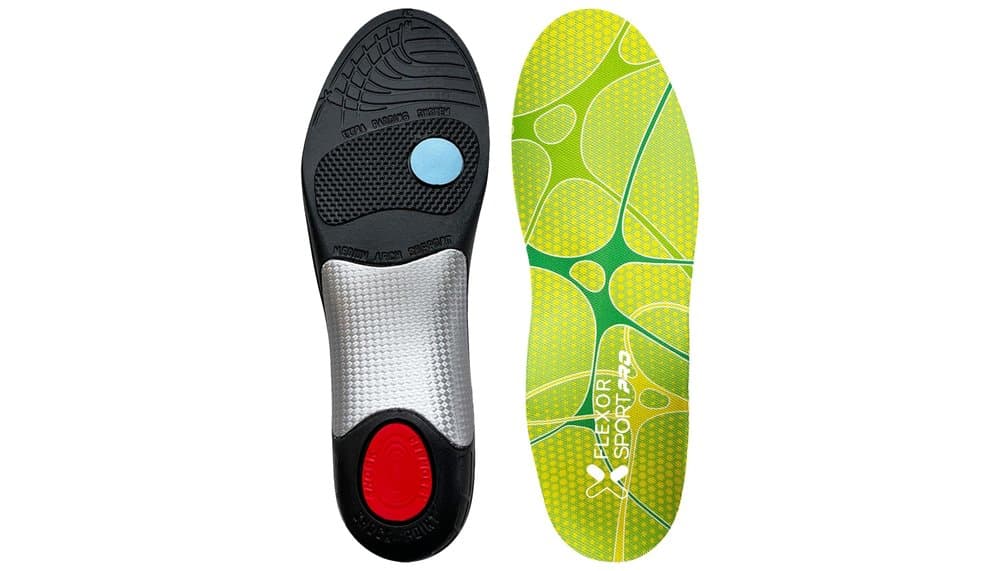
Introduction: Insoles for HYROX, a Good Idea?
In the demanding world of HYROX, where every second and every movement counts, equipment is not a minor detail. While shoe choice is often discussed, the choice of insoles sometimes takes a back seat. Yet, the interface between your foot and your shoe is a key element for performance and injury prevention, especially during an event that alternates running, rowing, pull-ups, and strength exercises like the sled push or farmers carry.
Today, we analyze the Flexor Running Pro Insoles, technical insoles marketed for intensive running. The objective is clear: determine whether their promises of dynamic arch support and superior cushioning hold up against the unique requirements of a HYROX competition. We base our assessment on the manufacturer's specifications, feedback from the athlete community, and available technical analyses to evaluate their relevance for our discipline.
Strengths: What the Flexor Running Pro Promise
On paper, the features of the Flexor Running Pro seem to directly address several needs of the HYROX athlete.
Active Biomechanical Support
The core of the technical argument rests on dynamic arch support. According to product descriptions and expert analyses, this arch is reinforced with a resin structure. It aims not just to fill the space under the foot, but to guide its movement, offering progressive resistance to limit excessive collapse (pronation). For a HYROX athlete, whose feet endure repeated impact during running and must remain stable under heavy load, this point is crucial.
Targeted Shock Absorption
The specifications highlight enhanced cushioning, notably thanks to latex inserts in the heel and forefoot. Expert tests even mention a double Poron button under the metatarsus, a material known for its shock-absorbing properties and durability. This technology aims to reduce impact fatigue, whether on asphalt during running segments or upon landing during burpees.
Immediate Comfort and Breathability
The insole is covered with a mesh fabric described as hypoallergenic and breathable. In the context of an event with intense sweating and rapid transitions, an insole that wicks away moisture is a non-negligible advantage for preventing friction and maintaining relative comfort throughout the race.
Weaknesses: Identified Reservations and Limitations
Despite solid technical arguments, some user feedback and design points raise questions about the product's universality.
Uncertain Morphological Fit
Several customer reviews point to a width problem. Some users find the insoles "far too wide" for their running shoes, which can create folds, pressure points, and compromise stability. Furthermore, the choice of arch height seems limited or unclear in mainstream communication, yet this is an essential parameter for effective correction.
Potentially Problematic Rigidity
A recurring piece of feedback criticizes the rigidity of the midfoot zone, that of the resin arch. While some support is desired, an overly rigid insole can hinder the foot's natural roll, especially during exercises like farmers carries where the foot needs to adapt dynamically to the ground. One tester also notes an unpleasant "lifting" sensation in the heel, where the cushioning insert might create a pronounced ridge.
See priceThe Question of Relevance in HYROX
A point raised by experienced testers is fundamental: the original insole of your sports shoes is already designed for a specific activity. Systematically replacing the original insole of a running or cross-training shoe with a universal insole is not always an improvement. It can alter the feel and the biomechanics for which the shoe was optimized, particularly on lateral or lifting movements.
Detailed Analysis: The Flexor Running Pro Put to the HYROX Test
Now, let's break down the probable behavior of these insoles, station by station, based on their characteristics and feedback.
On Running Segments
This is their announced strong suit. The dynamic arch support and heel cushioning could indeed benefit pronating runners or those feeling pain upon impact. Reducing cumulative fatigue over the 8 to 10 km of interval running in a HYROX is a serious argument. However, the rigidity reported by some could bother runners with a very natural stride or those requiring a lot of flexibility.
On Strength and Load-Carrying Stations
This is where doubts are greatest. For the sled push or sled pull, where the body is at a strong incline and the toes push against the front of the shoe, an insole that is too thick or rigid in the forefoot can reduce the feeling of connection with the ground. For the farmers carry, lateral stability is paramount. If the insole is too wide for the shoe, it can compromise this stability. The insole must remain passive support, without interfering with power transfer.
Under Fatigue and During Transitions
The absorbing materials (latex, Poron) are designed to maintain their properties over time. Theoretically, they should continue to cushion even at the end of the race, a real plus. The breathable fabric helps keep the foot dry, limiting blister risks during quick changes between running and other stations. The light weight (approximately 65g per insole according to experts) is also an asset to avoid unnecessarily weighing down the stride.
Durability: The Question Mark
Technical analyses of similar products warn: performance insoles, often thin and composed of several laminated materials, can show limited durability. Some testers mention premature wear after a few hundred kilometers of intensive use. For a HYROX athlete training several times a week, this represents a potentially frequent renewal cost.
Technical Specifications
| Characteristic | Detail |
|---|---|
| Product Name | Flexor Running Pro Insoles |
| Recommended Use | Running, jogging |
| Key Support | Dynamic arch with resin reinforcement |
| Cushioning Technology | Latex inserts (heel & forefoot) / Poron (according to analyses) |
| Main Material | Polyurethane gel |
| Surface | Breathable, hypoallergenic mesh textile |
| Target | Pronators, seeking comfort and reduced fatigue |
| Format | Trim-to-fit insoles (grouped sizes) |
| Weight (approx.) | ~65g per insole |
What Users and Testers Say
A synthesis of customer feedback and available technical analyses paints a nuanced picture, with clear trends.
Recurrent Positive Points:
- Immediate Comfort and Support: Many users describe a noticeable difference from the first use, with relief from pain in the heel or arch.
- Effective Cushioning: Runners report a reduced impact sensation, translating to less fatigue over long distances or intense training sessions.
- Perceived Build Quality: The finish and multi-layer composition are often praised, giving an impression of a technical and serious product.
Negative Points and Criticisms:
- Fit and Size Problems: Excessive width for certain shoes is the most frequent complaint. The sensation of arch rigidity is also mentioned by several people.
- Necessary Adaptation: Contrary to some marketing claims, a few testers note that an adaptation period of a few days is needed to get used to the feeling of the support.
- Questioned Relevance: As one detailed tester points out, the added value is less obvious if your shoes already have good quality original insoles. The benefit is more pronounced for those starting with a basic insole or who have specific corrective needs.
- Durability Under Scrutiny: Although few short-term customer reviews mention it, the general technical context concerning this type of thin insole calls for caution regarding their longevity under intensive load.
Conclusion: Should You Slip the Flexor Running Pro Into Your HYROX Shoes?
The Flexor Running Pro Insoles are undeniably technical insoles, designed with a logic of performance and injury prevention for running. Their dynamic arch support and targeted cushioning zones represent serious assets for the running segments of a HYROX, particularly if you are prone to pronation or impact pain.
However, their adoption in the very specific context of HYROX and functional fitness is not automatic. Their potential flaws in width and rigidity can become handicaps on strength stations, where stability and connection to the ground are paramount. They are not a universal miracle solution.
Our recommendation is therefore targeted:
- For you if you use a dedicated pair of running shoes only for running segments in training, and you are seeking biomechanical support and enhanced cushioning for those specific sessions. Test them extensively in training before any competition.
- Be cautious if you plan to use them in your cross-training shoes for the entire event, especially without having tested them beforehand on strength and carrying movements. The risk of altering the feel and stability of your shoe is real.
Ultimately, the Flexor Running Pro are a potentially interesting tool in the HYROX athlete's toolbox, but should be considered as a specialized accessory for running, rather than a systemic improvement for the entire competition. As always, listening to your body and gradual testing during your most varied sessions remain the key to validating or invalidating their usefulness in your own practice.
100% free and independent — All our articles are written independently, without any sponsorship. We may receive a commission if you make a purchase through our links, at no extra cost to you.
You might also like
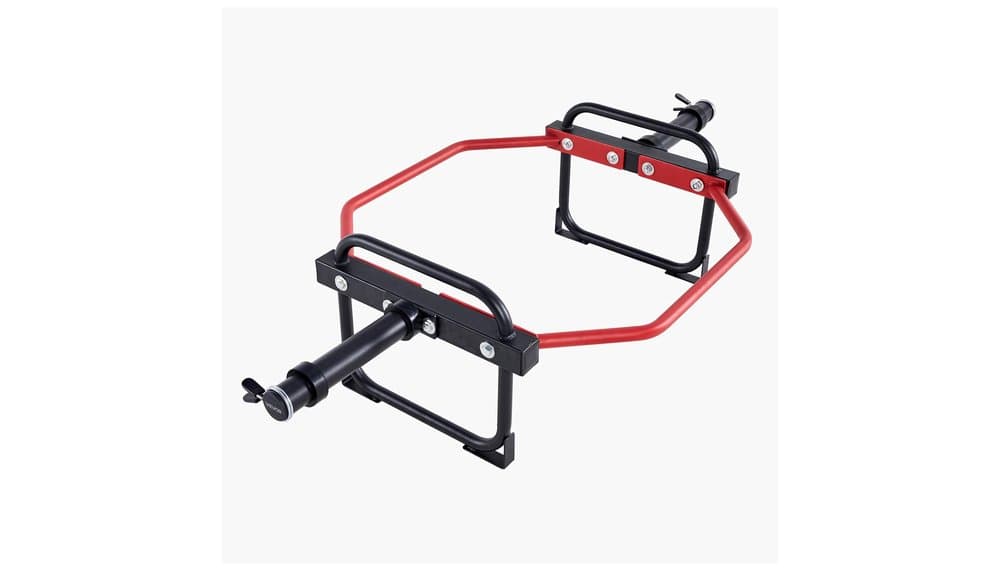
VEVOR 2 Hex Disc Bar Trap Bar Test & Review
VEVOR's 2" Hex Trap Bar review: a deep dive into its design and durability for HYROX athletes needing versatile, competition-ready strength equipment.
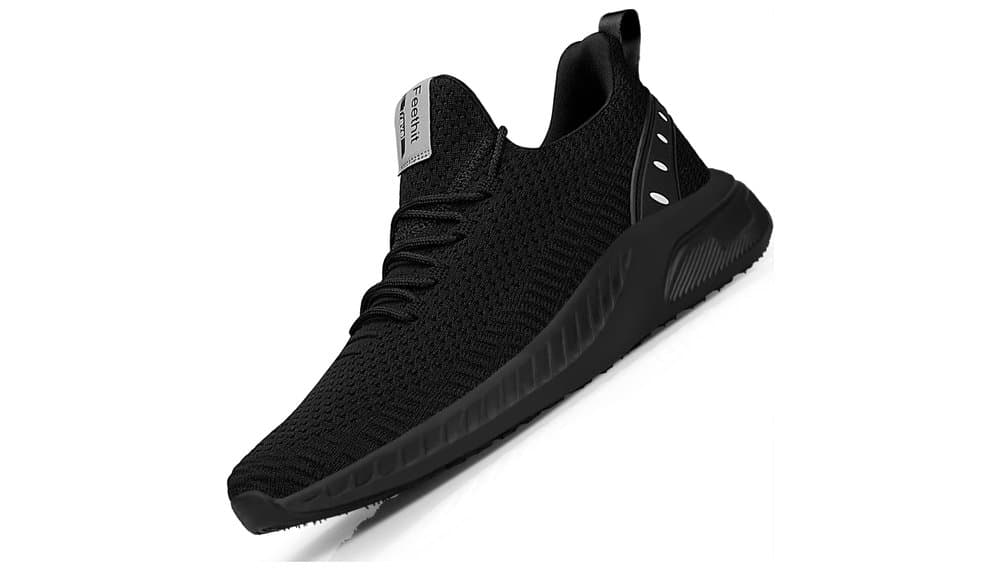
Feethit Men's Trainers Running Shoes Review & Test
Feethit trainers tested for HYROX: Are these affordable, lightweight shoes a viable hybrid option for the rigors of functional fitness competition?
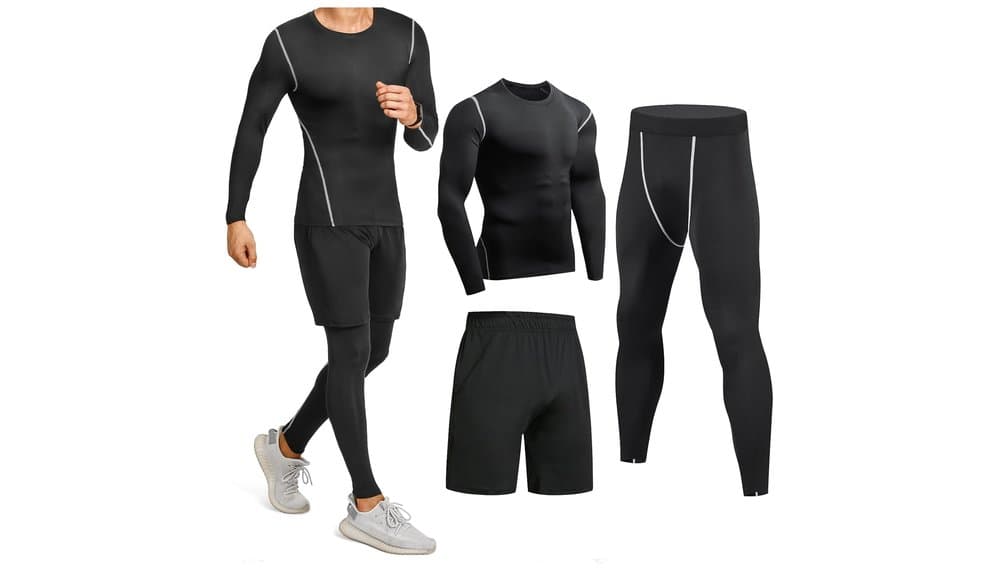
Niksa Ensemble Compression Outfit Review & Test
Niksa compression wear: Affordable all-in-one sportswear for HYROX, designed for runs, strength stations, and rapid transitions without hindrance.
Guides you might like
Street Workout Elastic Bands Buying Guide
Use resistance bands for pull-ups to learn proper technique and build strength safely. Ideal for all levels to progress at your own pace.
Ideal Watches for Hyrox Quick Buying Guide
Discover how to choose the perfect Hyrox watch that tracks all disciplines, offers precise heart rate data, and withstands intense training efforts.
Hyrox Shoes Buying Guide
Choose the right Hyrox shoes to prevent blisters and boost performance. Find the versatile hybrid essential for success.