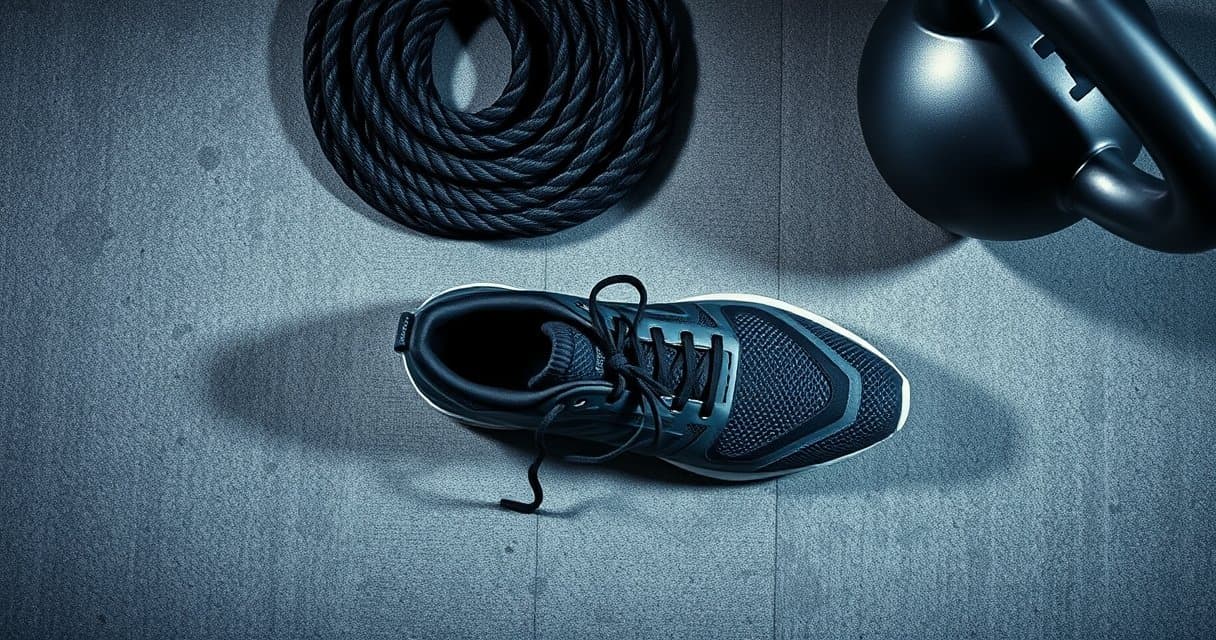
On paper, the Air Cushion Sports Sneakers Women's Running Shoes present themselves as an all-terrain shoe, promising cushioning, lightness, and versatility for an impressive list of activities, from running to hiking. But in the demanding world of HYROX, where performance is measured by the ability to chain together running, rowing, pull-ups, and weight carries under fatigue, "does everything" is rarely synonymous with "does everything well." What interests us here is to decipher whether this shoe can truly go the distance against the unique demands of a functional fitness race. By cross-referencing technical specifications, community feedback, and expert analysis, we will determine if it is a reliable partner for the box or simply an option for daily training.
Potential Strengths for HYROX
Based on user feedback and trends noted in tests, several characteristics of these sneakers could, in theory, align with some HYROX needs.
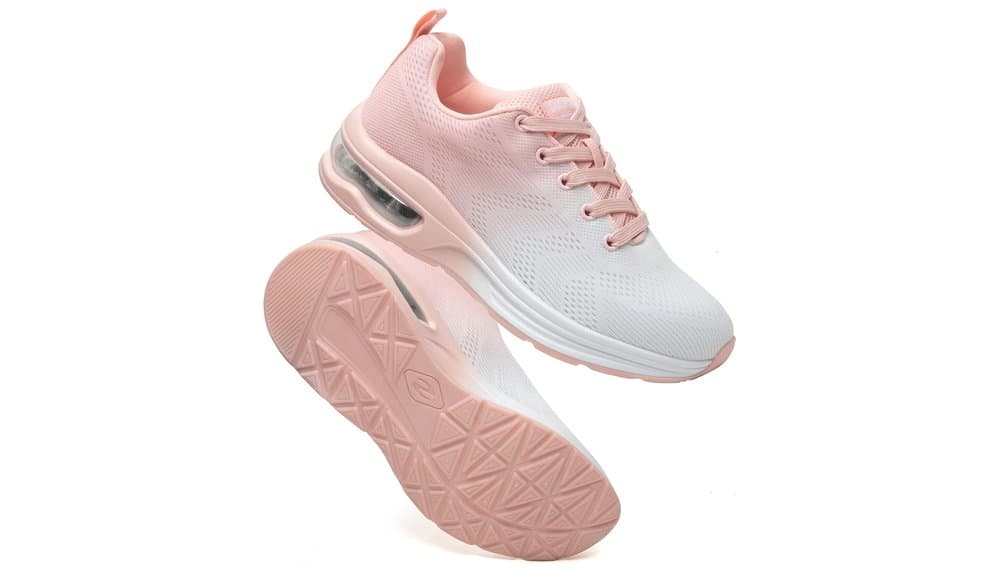
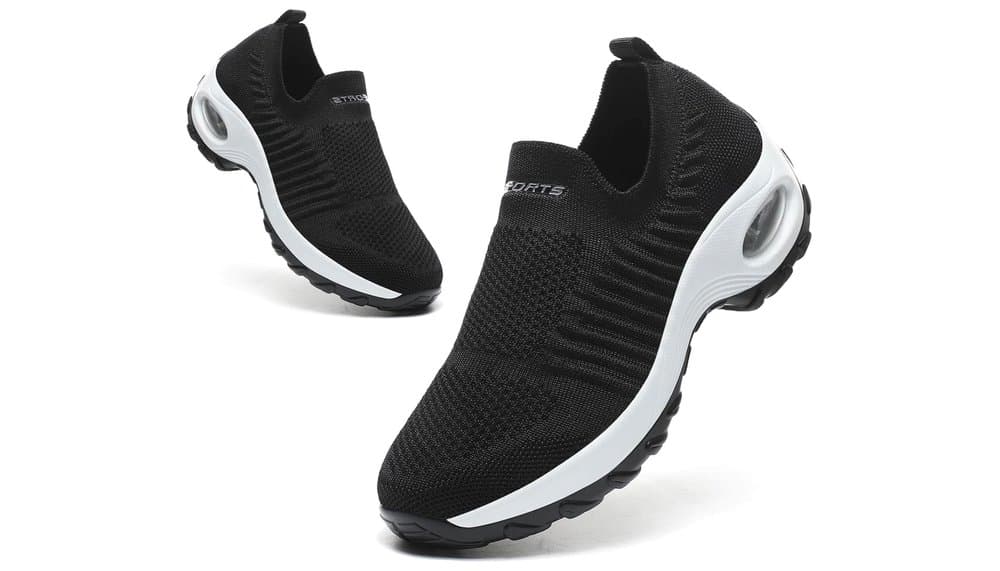
Firstly, the air cushion technology is consistently praised. For the running segments, especially the first and last kilometers often done on already tired legs, good cushioning is crucial to preserve joints and limit the impact of fatigue. The community notes that this cushioning offers an immediate feeling of comfort and protection, which could be an asset after brutal events like the sled push or burpees.
Secondly, the sole is described as non-slip. This is a non-negligible point for stations where stability is king: the farmers carry, lunges with a sandbag, or pushing movements where a slip can be dangerous. Good grip on different surfaces (wood, rubber, concrete) is a prerequisite.
Finally, the advertised lightweight and breathable aspect corresponds to an obvious competition need. A heavy shoe becomes a burden late in the race. Customer reviews confirm the feeling of lightness, a positive point for managing effort over time.
Weaknesses and Gray Areas
However, the analysis of expert reviews and customer feedback highlights limits that raise questions for use in HYROX competition.
The critical point is real versatility. The web context is clear: testers emphasize that this type of heavily cushioned shoe is ideal for "long, slow outings" or "fundamental training," but that it is less reactive and less dynamic for work at a sustained pace. Yet, HYROX imposes brutal changes of pace and rapid transitions. A shoe that is too soft and unresponsive can hinder performance on the rower or during running accelerations.
Next, durability is a recurring topic. Some testers point to premature wear of the outsole, particularly in the forefoot area. In the HYROX context, with movements like burpees or mountain climbers that heavily stress the front of the shoe, this potential weakness is a real concern. Robustness against lateral friction (lunges, lateral movements) is also not guaranteed.
Finally, several customer reviews, notably from Germany, report a problem with a narrow fit in the forefoot ("zu eng vorne"). A too-tight toe box can become torture during load carry events where the foot naturally widens under weight, and can cause pain or blisters over the long haul.
Let's now scrutinize each typical HYROX event against the supposed capabilities of these Air Cushion Sports Sneakers.
Running (2x 1km): The cushioning will be an ally for absorbing impact, especially on tired legs. However, the lack of reactivity and the potentially higher weight compared to dedicated running shoes could cost you precious seconds. The foot transition may lack dynamism.
Rower (1km): This is where the lack of rigidity and lateral stability could be felt. An ideal rowing shoe allows for optimal power transfer from the foot to the footplate. A too-soft sole and a too-flexible upper dissipate some of that energy.
Sled Push & Sled Pull: The non-slip sole is a major asset here to avoid slipping during the push. The stability of the platform, described as good by some testers, is also crucial for maintaining a powerful posture.
Burpees & Mountain Climbers: This is the worst-case scenario for durability. The repeated flexing of the forefoot and friction against the floor put enormous stress on the upper and sole. The reported weakness concerning premature forefoot wear becomes a serious risk.
Farmers Carry & Lunges: Stability is king. A wide platform is beneficial, but if the shoe is too high and soft (due to the generous cushioning), it can hinder proprioception and balance under load, increasing the risk of ankle roll.
Rapid Transitions: This is the probable Achilles' heel. Moving from the rower to burpees, then to the farmers carry, requires a shoe that becomes an extension of the foot, reactive and predictable. A shoe too focused on "comfort" can create a feeling of instability and latency in movement changes.
Technical Specifications
Characteristic
Description (based on product sheet and feedback)
Model Name
Air Cushion Sports Sneakers Women's Running Shoes
Main Technology
Air Cushion in the midsole
Advertised Weight
Lightweight (exact value not provided)
Sole Type
Non-slip (anti-skid) outsole
Breathability
Breathable upper
Intended Uses
Running, Fitness, Walking, Hiking, Daily Use
Advertised Versatility
Very high (long list of activities)
What Users and Testers Say
The synthesis of customer reviews and expert analyses reveals clear trends.
Recurring Positive Points:
Immediate Comfort and Exceptional Cushioning: This is by far the most praised point. Terms like "super comfortable," "very comfortable," "quality and robust" come up constantly in customer reviews. Testers confirm excellent shock absorption.
Perceived Lightness: Users describe them as light and pleasant to wear for long periods, even for standing at work.
Style and Finish: Many reviews with photos compliment the shoe's aesthetics.
Recurring Negative Points or Points of Caution:
Fit and Sizing Issues: Several reviews, notably international ones, indicate that the shoe runs small or is tight in the forefoot ("super schöne Schuhe mir nur etwas zu eng vorne", "ging leider zurück, da sie zu eng waren"). This is a crucial warning for athletes with wide feet.
Uncertain Durability (according to experts): The web context mentions that some testers report limited durability of the outsole and sometimes premature wear in the heel or upper area. This contrasts with short customer reviews praising robustness.
Lack of Reactivity (according to experts): The expert consensus is that this type of shoe is designed for comfort, not for speed or reactivity. It is unfavorably compared to more dynamic models for intense sessions.
Conclusion
The Air Cushion Sports Sneakers Women's Running Shoes are, based on all the feedback, an extremely comfortable, well-cushioned, and light shoe that excels in its primary role: offering soft protection for walking, daily moderate-paced running, and long periods of wear.
However, for HYROX, the verdict is more nuanced. This shoe is a compromise, and in competition, compromises have a cost. Its generous cushioning could be an asset on the running segments for some, but its presumed lack of reactivity, its uncertain durability against extreme fitness movements (burpees, friction), and its potential fit issues make it a sub-optimal choice.
We recommend it as a general training or recovery shoe, possibly for discovering the HYROX format during light sessions. But for competition or serious training aimed at performance, a shoe specifically designed for functional fitness, offering a better balance between stability, reactivity, durability, and targeted cushioning, will be a much wiser and safer choice. For HYROX, specialization trumps advertised versatility.
100% free and independent — All our articles are written independently, without any sponsorship. We may receive a commission if you make a purchase through our links, at no extra cost to you.