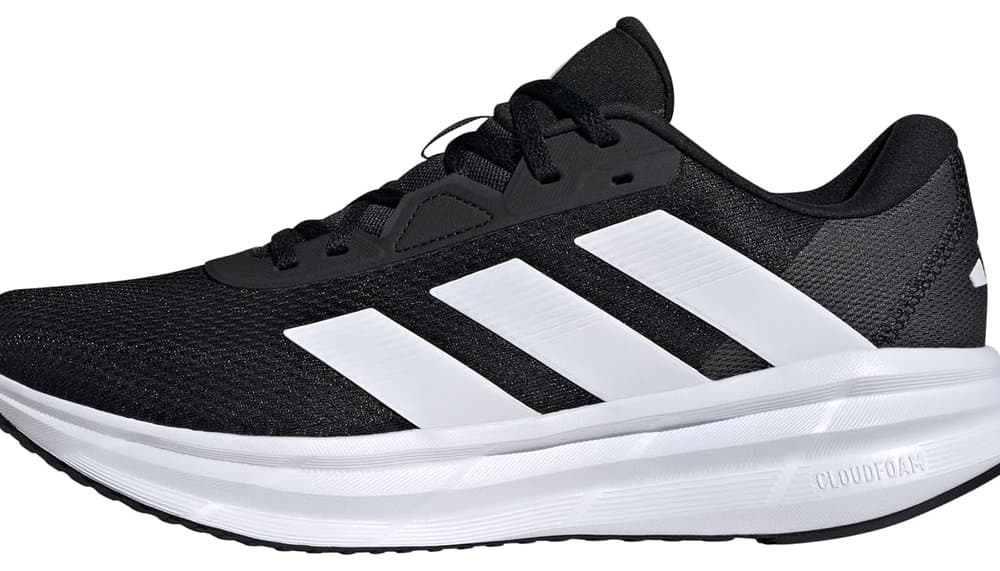
In the demanding world of HYROX, where every second and every transition counts, the choice of footwear is a strategic decision. One is not simply looking for a running shoe, but a versatile tool capable of handling running, strength stations, loaded carries, and cumulative fatigue. The Adidas Galaxy 7 Running Shoes arrive on the market as an accessible entry-level model, promising comfort and stability. But does this advertised versatility hold up against the unique and brutal format of a HYROX competition? This article analyzes this model from the specific angle of functional fitness events, cross-referencing technical specifications, community feedback, and expert analysis.
Strong Points
Based on available data, the Adidas Galaxy 7 present several assets that could, on paper, interest a functional fitness practitioner.
General stability and support are the most praised qualities by testers. The design includes a wide base, reinforced sidewalls, and a rigid heel counter. This architecture provides good foot containment, a crucial element for events like the farmers carry or sled pushes, where ankle stability and solid posture are paramount.
Immediate comfort is also a major argument. The Cloudfoam technology in the midsole is described by users as providing soft, pleasant cushioning. The presence of an Ortholite insole, a plush tongue, and heel collar contributes to a feeling of comfort from the first wear, which can be an advantage for long training sessions.
Finally, versatility for daily use is noted. Customer reviews emphasize that these shoes are appreciated for walking, light gym workouts, or occasional jogs. Their understated design and standard fit make them an easy pair to wear daily.
Weak Points
It is from the angle of HYROX performance that the weaknesses of the Galaxy 7 become significant. Expert feedback and customer reviews point out structural limitations.
The main flaw is the lack of dynamism and responsiveness. The community and experts agree that the Cloudfoam cushioning, while comfortable, is inert. It cushions but returns no energy, offering zero sensation of bounce or propulsion. For the running segments in HYROX, this translates to a shoe that "sticks" to the ground, requiring more effort from the runner and doing nothing to help maintain a sustained pace, especially under fatigue.
Limited breathability is another critical point. The mesh upper is described as thick and poorly ventilated. In a competition environment where body heat is extreme, particularly during indoor stations like the rower or burpees, this poor ventilation can lead to moisture buildup, discomfort, and overheated feet.
Finally, the lateral and forefoot support is considered too light for explosive, multi-directional efforts. Several reviews note that the forefoot is cut quite wide, which can lead to foot slippage during rapid direction changes or exercises like lunges. The durability of the materials is also questioned by some users for intensive, repeated use.
Let's now evaluate how the characteristics of the Galaxy 7 confront the specific stations of HYROX.
Running (1km x 8): This is the most obvious breaking point. The Cloudfoam midsole sorely lacks responsiveness. On paper, soft cushioning may seem beneficial for recovery between stations, but in reality, the absence of bounce weighs down the stride. Testers emphasize that these shoes are not designed for speed or running performance. In the context of 1km interval runs, they would become a handicap, especially during the final laps when fatigue impairs technique.
Strength Stations (Sled Push, Sled Pull, Farmers Carry): This is where the Galaxy 7's strengths can show. Their remarkable stability, due to their wide base, is a undeniable asset for creating a solid foundation during pushes and pulls. The good heel support allows for effective force transfer into the ground. However, the lack of lateral rigidity could be felt during lateral movements or position adjustments under load.
Dynamic Stations (Burpees, Lunges, Wall Balls): This is mixed terrain. For vertical movements like burpees, the heel cushioning is appreciated on impact. On the other hand, for lunges or wall ball catches, the potential forefoot slippage and lack of lateral containment could harm precision and joint stability during rapid sequences.
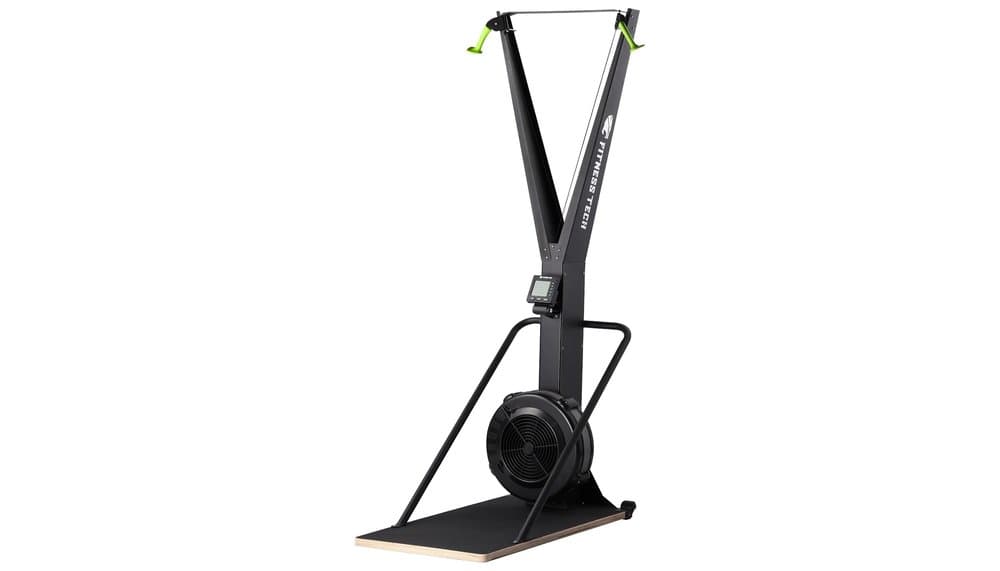
Rower (SkiErg as alternative): The flat sole and stability are suitable for staying anchored in the footstraps. However, the real problem would be the heat. The poor breathability of the upper, coupled with the intense effort on the rower, would quickly create a very uncomfortable environment for the feet.
Fast Transitions: HYROX demands the ability to change activities in seconds. The weight of the Galaxy 7 (319g) is on the lower end of average, which is not a hindrance. However, their lack of specialization makes them "average" everywhere but optimal nowhere. They are neither fast enough for running, nor structured enough for weight, nor breathable enough for indoor stations. This absence of performance traits is their greatest limitation in this format.
Technical Specifications
Characteristic
Detail for the Adidas Galaxy 7
Model
Adidas Galaxy 7 Running Shoes
Intended Use
Long distance running / Daily use
Cushioning Technology
Cloudfoam
Sole Type
Road-running rubber outsole
Sole Height
35mm (drop unspecified)
Weight (approx.)
319g (for reference size)
Upper Type
Textile (mesh)
Reinforcements
Rigid heel counter, stable sidewalls
Insole
Ortholite
Advertised Versatility
Running, walking, fitness
What Users Say
The synthesis of available customer reviews and expert analyses paints a clear consensus on the strengths and weaknesses of the Galaxy 7.
The recurring positive points revolve around immediate comfort, the perceived good value for money, and the understated and successful aesthetics. Many users describe them as perfect for brisk walking, daily commuting, or light gym fitness sessions. One customer notes "good general foot support" and a "pleasant feeling under the heel". Stability is also a frequent compliment.
The negative points are targeted and revealing for our HYROX analysis. A detailed review summarizes the situation well: "not made for intensive running". The user specifies that the cushioning is "too soft" and "not dynamic", the lateral support is light, and the materials are basic. This is exactly the opposite of what is sought for competition running. Experts confirm this analysis, noting the poor ventilation and complete absence of bounce.
Durability is a shared topic. While most find the outsole effective, one negative review reports premature wear defects after only three months of "normal" use, casting doubt on their resistance to the hyper-solicitation of regular HYROX training.
In summary, the community validates that the Galaxy 7 are a comfort and stability shoe for moderate use, but warns against using them for intensive, explosive, or performance-seeking activities.
Conclusion
So, are the Adidas Galaxy 7 Running Shoes a good shoe for HYROX? The answer, based on all the technical data and field feedback, is no.
These shoes excel in their niche: offering stable, accessible comfort for beginner runners, active walking, or general fitness training. Their stability could even be a marginal asset on some strength stations. However, the demands of HYROX go far beyond. The competition requires responsiveness, propulsion for the runs, exceptional breathability to manage heat, and robust construction to withstand multi-directional impacts.
The Galaxy 7 fail on these decisive criteria. Their inert Cloudfoam cushioning will slow you down on every running segment. Their poorly ventilated upper will become a major discomfort. Their limited lateral support will not provide the necessary precision during dynamic sequences.
For a HYROX athlete, investing in a pair of shoes is a strategic choice. It is better to look towards models designed for fast road running, or, ideally, towards obstacle course or light trail shoes that offer the best compromise of grip, drainage, responsiveness, and protection for this hybrid format. The Adidas Galaxy 7, despite their qualities for daily use, remain equipment unsuited to the specific and unforgiving demands of functional fitness obstacle racing.
100% free and independent — All our articles are written independently, without any sponsorship. We may receive a commission if you make a purchase through our links, at no extra cost to you.